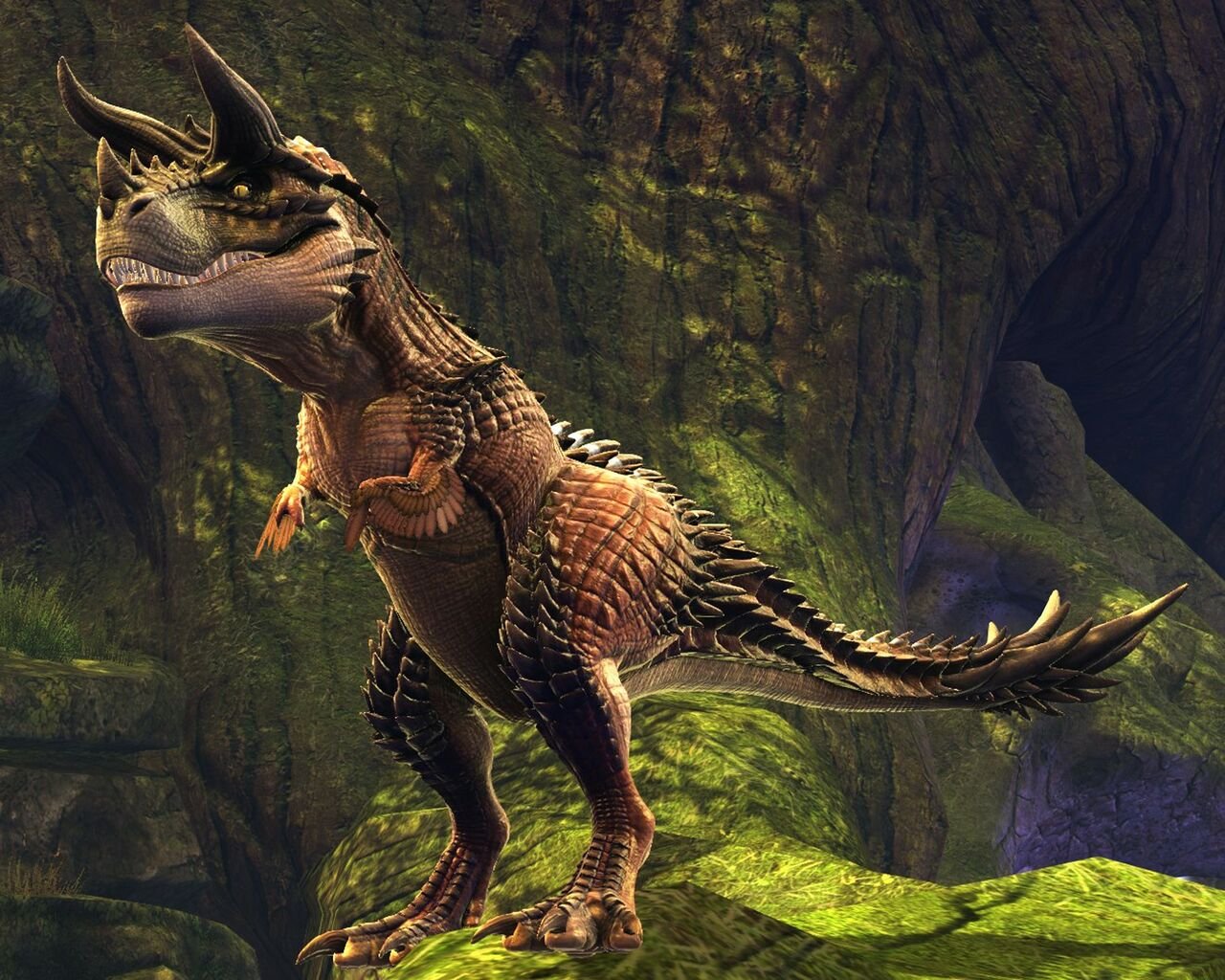
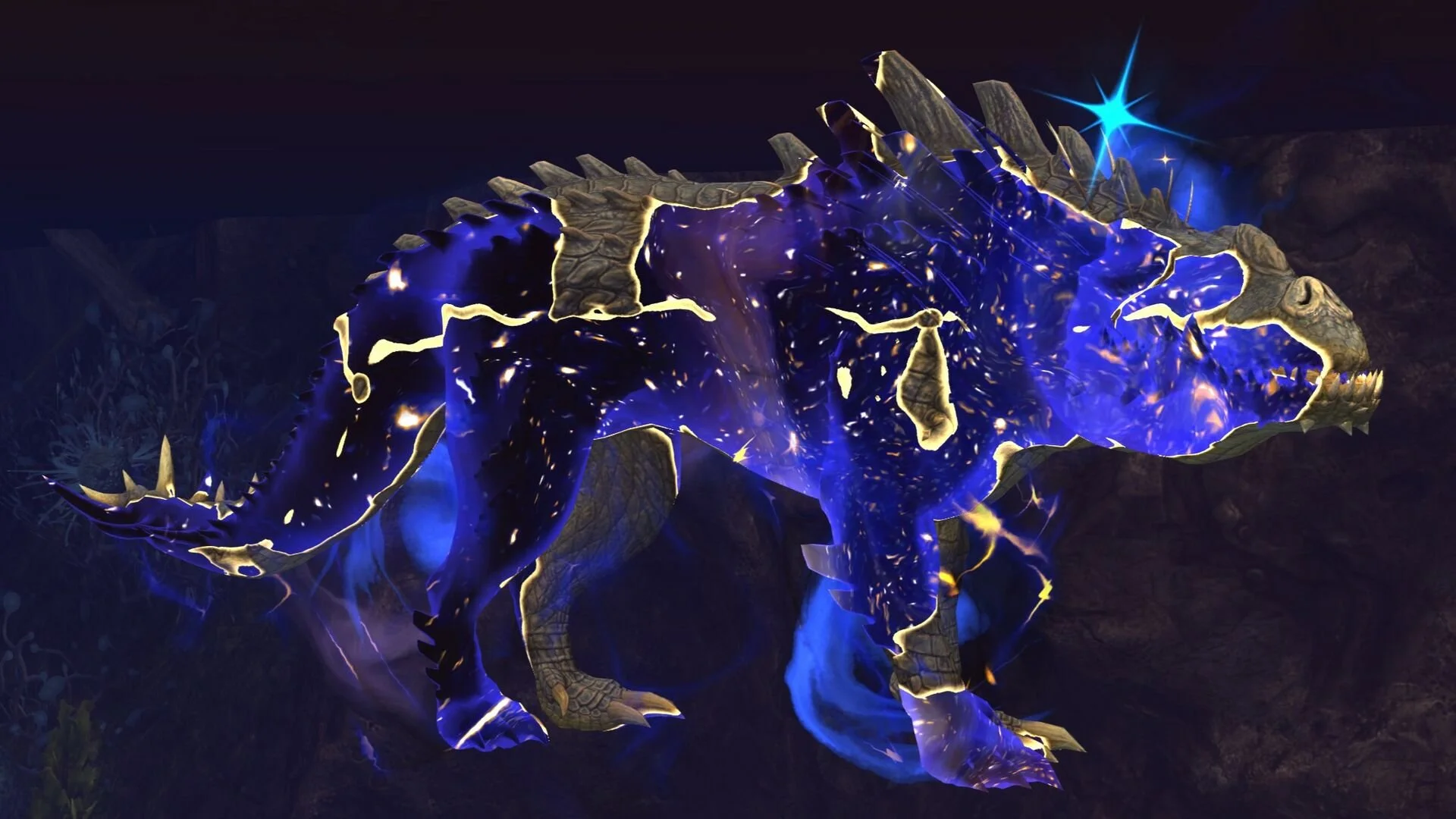
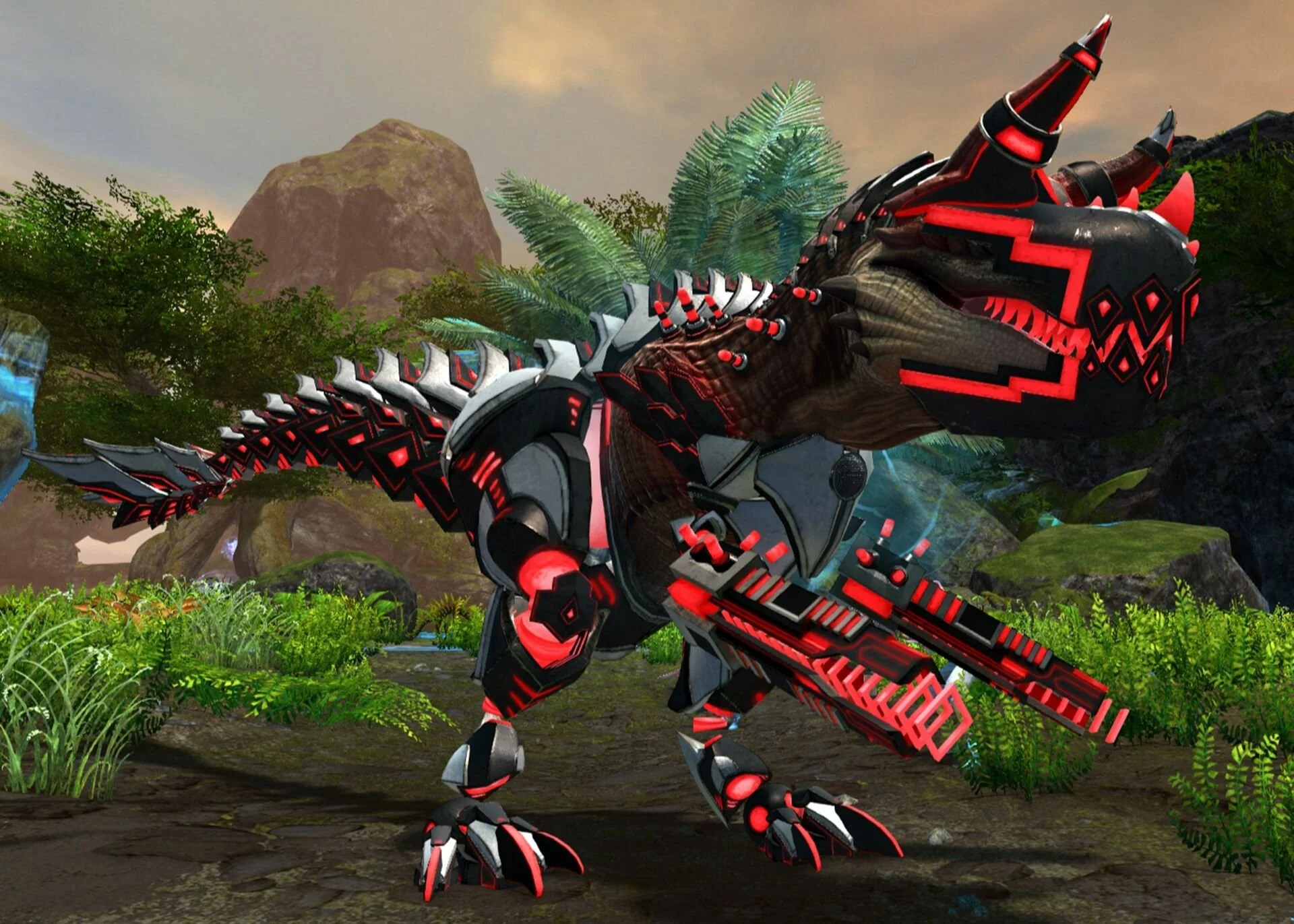
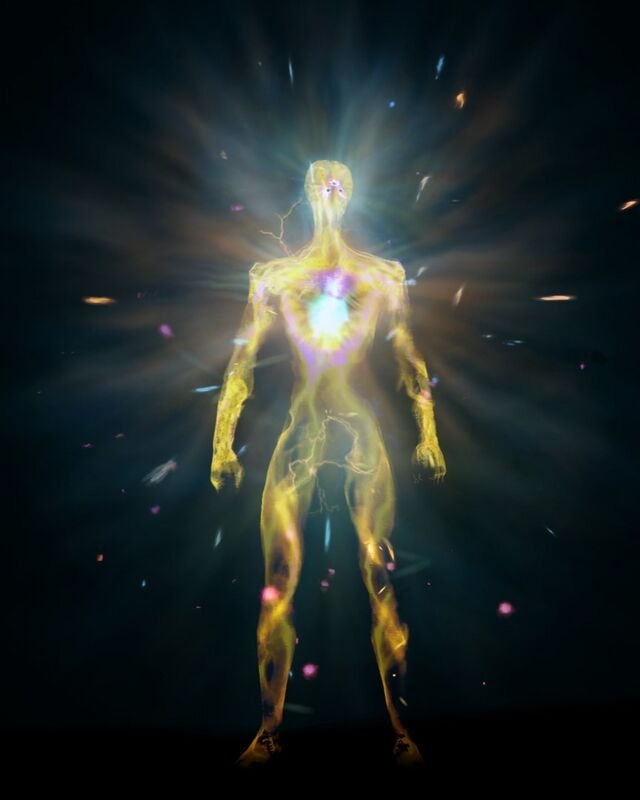
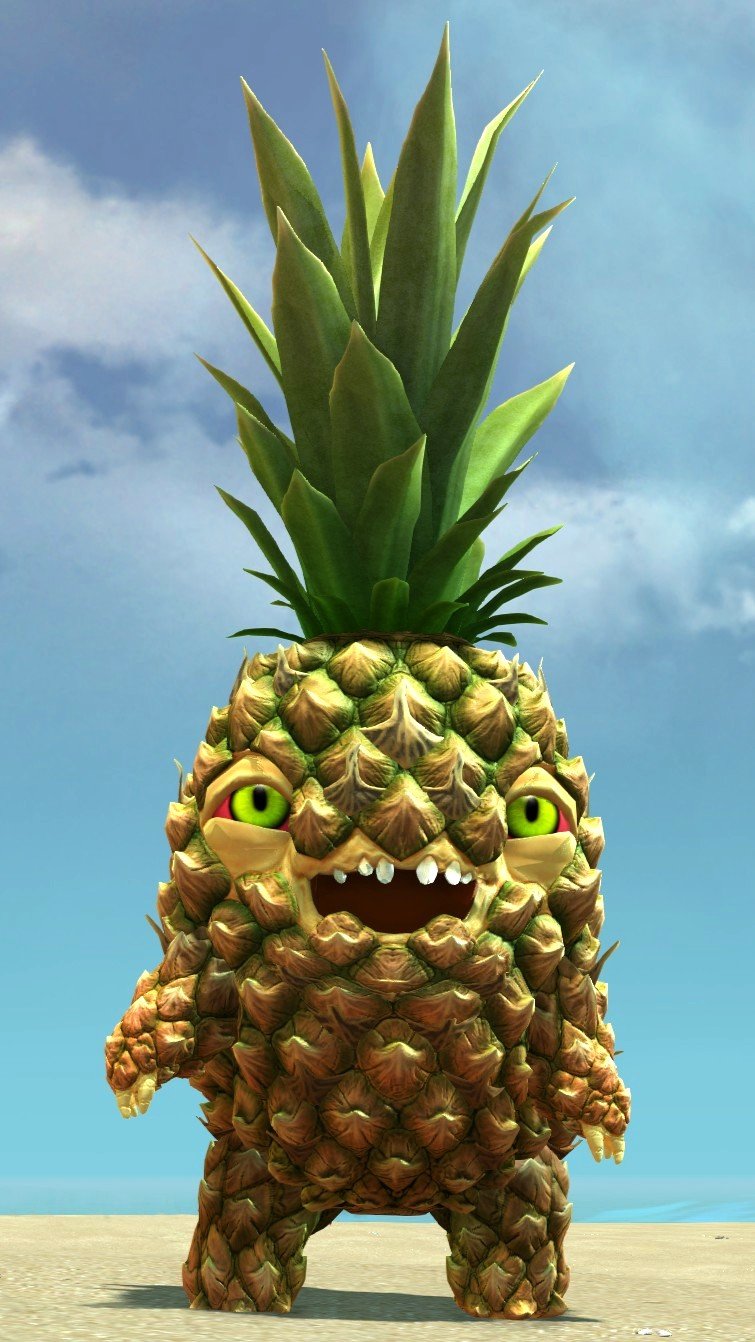
For the 6th expansion of GW2 I designed most of the enemies (52 of the 62), which the players fight with across the maps.
Now that I had gotten enough experience designing and using our custom tools to create creatures I was given the responsibility of creating most of the enemies for the new expansion that would be used across all the new maps. But the magnitude of this task came with an additional responsibility, I needed to ensure that all the enemies in the expansion were consistent in their design philosophy and equally polished.
The total number of 62 enemies for the expansion was massive compared to the last expansion, this was to address the internal and external critique that the last expansion had very little enemy variety, making each new encounter boring over time. Additionally, I noticed that the Titanspawn I had made last year were just not very dynamic which compounded that feeling in the player. So, I wanted to not only work to hit our goal of as many different enemies as possible but also fix the underlying issue by creating interesting combat scenarios.
Revised Design Philosophies
When speaking to my lead at the beginning of the project we talked about how we wanted to bring inspiration from Monster Hunter into the new enemies, we loved their approach to creating attacks which didn’t use fourth wall breaking visuals to signal mechanics or directly tell players how to react. This meant for the creatures I would heavily tweak the animation libraries for the creatures to create attacks that signaled to players through animation as much as possible. Additionally, I built up a library of vfx for attacks, like dust clouds appearing on simple tail swipe animations, or even hit impact vfx, usually reserved for player attacks, on bite animations to increase the impact and grounded feeling of these more dramatic animations. This approach to our visuals and how the creatures communicated to the players during combat was something we needed to be consistent across all the creatures so during playtests and other critique sessions I kept these principles at the forefront of my mind making sure I, and my teammates, didn’t lose sight of this aesthetic goal.
Our approach to complexity was the second thing on my mind to revise. After looking at how we had communicated and handled complexity in enemy systems in the past expansions I knew I could only do so much since the cognitive load in open world combat resided in the player skills not in the enemies themselves, this of course was flipped for world bosses. Yet even our world bosses had to be aware of being too complex for players to understand, so I took notes from the world boss design process and applied them to my creatures. I utilized combos far more this expansion, this chained attacks together to make them act more like bosses which have complex attack patterns. I made nearly every creature have an “escape” attack which repositioned them to not only make them feel more lively but also part of the environment, this is something we do with our world bosses. And I gave many of the creatures attacks and phases (based of health percentages) which provided buffs to them that made them stronger or faster to change the tempo of the fight, just like any classic boss fight. These very low lift yet high impact intentions when designing the creatures allowed me to not worry about signalling complex mechanics and instead keep things “invisible” yet dramatically change the feeling of the fights.
Saving time
Making one polished creature took me a maximum of 2 weeks of work, 1 week of focused effort, 1-2 weeks worth of work spread across months of playtests and other creature work. If I had 52 creatures that means 104 weeks of work at least! This is not even accounting for hiccups and vacation in the process which always happens. I only had 8 months (~34 weeks) so how was I suppose to pull this off?
I reduced the scope of certain creatures by utilizing the design of the armies. Not all 52 enemies needed to be unique in fact they were designed not to be. We had two subgroups of creatures in the “Natural” army called “Augmented” and “Transcended” these creatures were variants of the base versions of the creatures. The Augmented had heavily remixed abilities and attacks with new vfx and sometimes new versions of animations for their set of attacks. And the Transcended were more powerful versions of the base creatures with new visuals but similar attacks with at a minimum of half the attacks being highly unique to that variant of the creature. This meant I could reuse the backbone of the scripting I had already done to literally halve the time it took me to create those variant creatures. While this was great it still didn’t provide me enough time so I worked smarter not harder.
I created template scripts which allowed me to quickly change variables like range, attack power, the impact vfx, along with booleans which manipulated some basic behaviors, and more. These template skills allowed me to reduce the amount of bugs I would create, enure visual / polish consistency, provide a stable starting point for creating an attack, allowed me to focus my time on iterating for fun, and made sure I hit my goals. Since this was my last project on GW2 I cleaned up these template skills and passed them on to the rest of the team to hopefully help speed up their workflow and standardize our best practices.
The Response
Since I was so busy transitioning to the next project I wasn’t even able to play on launch day! But the reports from my team, Twitch streams, and reviews all told me it was a roaring success! If players are quiet about enemies it’s usually a good thing and the only mentions I saw contained compliments about their dynamic nature, how well they were balanced, and how they were fun to fight with friends and didn’t get in the way of the rest of the game experience.
52 Enemies